

Conference Lectures - Nursing Leadership Conference 2026 USA

Abstract Title: Hypothyroid Management Pearls
Abstract: Although hypothyroidism is the most common thyroid presentation in terms of prevalence and incidence, adequate clinical management remains elusive for most patients and healthcare providers. This conversation will focus on providing pearls that can be used towards compliance management of the disease. A review of evidence-based practice resources will be used to help establish practice algorithms.
We will then focus on initial clinical presentations, impact of co-morbidities, diagnostics, and therapeutics using patient-based scenarios as examples to provide a framework for clinical practice.
Biography of presenting author – Dr. Wane has a PhD in Nursing Science as well as a master’s degree from University of South Florida and is a Board-Certified Family Nurse Practitioner with undergraduate degrees in Nutrition and Nursing from Brooklyn College and Downstate Medical Center College of Nursing. After 32 years in academia, Dr. Wane is now focused on the role of Nurse Consultant. Dr. Wane is a SME and contributor to nursing textbooks, continues to serve as an editorial board member and peer reviewer for several journal publications, member of Sigma Theta Tau Nursing Honor society and a CCNE site evaluator.
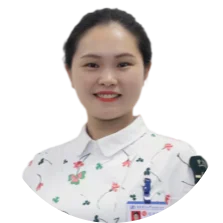
Abstract Title: Research Progress on Nursing and Quality of Life in Patients with Inflammatory Bowel Disease: A Bibliometric Analysis (2005–2025)
Affiliation: Department of Gastroenterology, The Second Affiliated Hospital of Chongqing Medical University, Chongqing, China
Abstract:
Background: Understanding and improving quality of life (QoL) in patients with inflammatory bowel disease (IBD) is a growing focus in nursing research. However, a comprehensive overview of research trends and hotspots over the past two decades is lacking.
Objective: To systematically analyze global research trends, hotspots, and emerging directions in nursing and QoL for IBD patients from 2005 to 2025 using bibliometric methods, providing evidence to guide nursing practice and future research.
Methods: Publications from January 2005 to December 2025 were retrieved from the Web of Science Core Collection and related databases using the keywords “inflammatory bowel disease,” “quality of life,” and “nursing.” Bibliometric analyses, including publication trends, core journals, countries/institutions, international collaboration, keyword co-occurrence networks, and thematic evolution, were performed using R software and visualization tools.
Results: A total of 499 articles were included, showing a fluctuating but overall upward trend in publications. The United Kingdom, the United States, and China were leading contributors. Influential journals included Gastroenterology Nursing, Journal of Crohn’s and Colitis, and Inflammatory Bowel Diseases. King’s College London was the most productive institution. Research mainly focused on mental health, disease management, and nursing interventions. High-frequency keyword clusters included “psychosocial support,” “symptom management,” “continuity of care,” “nutritional intervention,” and “self-efficacy enhancement.” Early studies emphasized medication adherence, whereas recent research has shifted toward digital health, multicultural care, and economic burden impacts. Interdisciplinary collaboration has strengthened across nursing, gastroenterology, and public health, though developing countries remain underrepresented. Keywords “quality of life,” “inflammatory bowel disease,” “depression,” and “anxiety” emerged as research hotspots.
Conclusion: Nursing research on IBD patients’ QoL has evolved from single-symptom management to multidimensional, interdisciplinary interventions. Psychosocial support and continuity of care are current priorities. Future research should enhance international collaboration, develop AI-driven precision nursing strategies, and address disparities in healthcare resource allocation affecting long-term outcomes and follow-up.
Keywords: Inflammatory Bowel Disease; Quality of Life; Nursing; Psychosocial Support
Biography of presenting author : Youjia Ma, RN, is Associate Head Nurse of the Department of Gastroenterology at the Second Affiliated Hospital of Chongqing Medical University. She specializes in nursing leadership, quality improvement, and AI-enabled nursing management. As a certified IBD specialist nurse and RNCE-PICC nurse, she has led multiple clinical innovation and patient safety initiatives recognized at the national level. She has published over 20 peer-reviewed articles, including SCI-indexed papers, and actively mentors nursing students in innovation and leadership development. Her current work focuses on empowering frontline nurses through digital transformation and evidence-based management strategies.

Speaker: Miss. Ying Bi
Affiliation: Department of General Surgery, Chenjiaqiao Hospital, Shapingba District, Chongqing, China.
Abstract: Objective To investigate the status of anticipated stigma in patients with permanent intestinal ostomy after colorectal cancer surgery and analyze its influencing factors. Methods From January to March 2025, a convenience sampling method was used to select 356 patients with permanent intestinal ostomy after colorectal cancer surgery from a Grade A tertiary cancer hospital in Chongqing. Surveys were conducted using the General Information Questionnaire, Anticipated Stigma Scale, and Existential Distress Scale. Results The average score of anticipated stigma was 3.00 ± 0.64, and the average score of existential distress was 3.63 ± 0.63. Anticipated stigma was positively correlated with existential distress (r = 0.445, P < 0.001). Multiple linear regression analysis showed that marital status, course of disease, medical payment method, and existential distress were influencing factors of anticipated stigma (P < 0.05). Conclusion Patients with permanent intestinal ostomy after colorectal cancer surgery experience a moderately high level of anticipated stigma and a moderate level of existential distress. Higher levels of anticipated stigma are associated with increased existential distress. Clinical nursing staff should implement targeted interventions based on the related influencing factors to reduce anticipated stigma and existential distress, improve postoperative psychological status, and enhance patients’ quality of life.
Biography of presenting author: Bi Ying studied nursing at Central South University in China and completed her undergraduate education. Subsequently, she worked at the Affiliated Cancer Hospital of Chongqing University and Chongqing Shapingba District Chenjiaqiao Hospital successively, serving as the head nurse of the gastrointestinal surgery department. She has also published two nursing papers in national journals.
Affiliation: Scientific project manager at the French National Institute of Health and Medical Research (INSERM), France
Abstract:
Background : Pregnant women living in remote areas of inland French Guiana often experience limited access to prenatal follow-up and postnatal support due to a shortage of perinatal health professionals. To address this issue, the Perinat Guyane network implemented a health mediation program called “women relays”, which relies on trained patient-experts from local communities to facilitate communication and improve access to care. This study aimed to identify barriers, facilitating factors, and potential improvements to optimize the program’s impact on perinatal health.
Methods : A qualitative study was conducted using semi-structured interviews with midwives who had worked or were currently practicing in the isolated municipalities of Maripasoula, Grand-Santi, and Papaichton. Due to cultural and linguistic barriers limiting direct data collection from the local population, interviews were also conducted with women relays involved in the program.
Results : Key facilitating factors included the effectiveness of health mediation, the role of women relays in translation and transportation, and the positive impact on pregnancy follow-up. However, several barriers were identified, including insufficient communication between stakeholders, limited training opportunities for women relays, and the absence of a clearly defined framework. Suggested improvements included better information for midwives, clearer guidelines, strengthened training, and the appointment of a women relay in Cayenne.
Conclusion : The “women relays” program appears to positively influence pregnancy care in remote areas of French Guiana. Strengthening communication, training, and organizational structure could further enhance its impact.
Keywords : health mediation, perinatal care, French Guiana, barriers, midwives.
Biography of presenting author Rami Nadji is a general practitioner who graduated from the Faculty of Medicine of Constantine. He also holds three Master’s degrees (Master 2) in public health from the universities of Paris, Tours, and Nancy. He currently works as a scientific project manager in Paris at the French National Institute of Health and Medical Research (INSERM). He participated last year in scientific presentations at conferences in France, French Guiana, Réunion Island, Thailand, and South Africa.

Abstract:
The Quiet Challenges of Being an Empathetic Leader – Empathy is often celebrated as a leadership superpower—and it is. But what we talk about far less are the challenges that come with leading through empathy.
Empathetic leaders carry more than just goals and metrics. They carry people’s concerns, stress, ambitions, and sometimes their disappointments. Listening deeply takes emotional energy. Holding space for others while still making tough decisions requires balance and resilience. One of the hardest parts? Knowing that empathy doesn’t always mean agreement. You can understand someone fully and still have to say no. You can care deeply and still need to prioritize the organization, the team, or long-term outcomes over short-term comfort.
Another challenge is boundaries. Empathetic leaders are often the first people others turn to—but without clear limits, empathy can turn into emotional overload or burnout. Leading with compassion also means modeling self-care and knowing when to step back. Yet despite these challenges, empathy remains essential. It builds trust, psychological safety, and loyalty. It creates teams that feel seen, valued, and motivated to do their best work.
Empathy in leadership isn’t about being soft, it’s about being human, intentional, and courageous enough to lead with both heart and clarity.
What challenges have you experienced—or observed—when it comes to empathetic leadership?
Biography of Deborah McDaniels-Jolly
With more than 35 years of clinical experience in the healthcare industry, I have established a reputation as a strategic and visionary leader committed to transforming healthcare delivery. My career encompasses diverse settings, including critical care, oncology, and ambulatory services, where I have consistently prioritized organizational reliability and member experience. My leadership journey demonstrates a track record of success, guiding multidisciplinary teams to deliver high-quality care in dynamic environments. I am a dedicated, results-oriented, value-driven empathetic leader that fosters professional collaboration and optimal patient outcomes.

Affiliation: School of Nursing, George Washington University, Ashburn, VA, USA
Abstract:
This study examines the feasibility and acceptability of a culturally tailored psychosocial intervention designed to support chronic pain management among Korean Americans in the community. Addressing a critical gap in culturally relevant pain care for Asian American populations, the study focuses on understanding participants’ lived experiences and perspectives following completion of the program.
Using qualitative methods, in-depth interviews were conducted with participants to explore multiple aspects of their engagement with the intervention, including satisfaction, participation, perceived relevance, facilitators and barriers, cultural considerations, and suggestions for improvement. The findings highlight how participants experienced the program as a meaningful and, in many cases, transformative approach to managing chronic pain. Key benefits included increased self-efficacy, validation through shared experiences, and improved communication about pain. Participants also valued the biopsychosocial framework and the availability of organized, practical resources.
Several factors supported engagement, including the convenience of a community-based setting, the provision of actionable pain management strategies, and the creation of a safe, supportive environment by facilitators. At the same time, cultural barriers—such as hesitancy to express emotions and stigma surrounding pain, particularly among men—were identified as challenges to full participation.
Overall, the study demonstrates that the intervention is both feasible and highly acceptable among Korean American participants. The findings underscore the importance of culturally tailored, community-based approaches in addressing chronic pain disparities and provide insights to guide future program refinement and implementation.
Biography of presenting author:
Hee Jun Kim, an associate professor, studies racial and ethnic disparities in pain sensitivity and chronic pain. Her research focuses on identifying underlying mechanisms driving these differences across diverse populations. She previously led a National Research Foundation of Korea–funded study on multidimensional correlates of chronic pain among Asians with rheumatic diseases and has conducted multi-center, cross-cultural studies on young adults’ mental health and nursing simulation education. She received an R21 grant from the National Institute of Nursing Research to address chronic pain disparities among Asian Americans through a culturally tailored psychosocial intervention within the Korean American community.

Abstract: –
Aim: This study aimed to explore and describe the cohesion challenges that the multicultural nursing team of a cardiac centre in a designated hospital in Saudi Arabia experienced. Background: The World Health Organization predicts a huge global shortage of nurses by 2030. Healthcare services will have to recruit nurses from other countries. Internationally recruited nurses’ poor understanding of their colleagues’ and patients’ cultural backgrounds may lead to cohesive challenges in teams to the detriment of quality patient care. Methods: A descriptive qualitative design was applied. Face-to-face interviews were done with 15 participants (five nurse managers and ten nurses), their ages ranging between 30 and 50 years. They were from different countries and cultural backgrounds. One open-ended question was used ‘What cohesion challenges does the multicultural nursing team of the cardiac centre experience, and what support should they get from management to overcome these challenges?’ A thematic data analysis was done. Results: Cohesion challenges were experienced due to poor communication, the exclusion of members in decision making, a lack of meaningful team-building events and limited introduction of newly appointed members. The diversity of the team led to the alienation of some members, and the internationally recruited nurses felt that they were expected to conform to the expectations of the Saudi members. Conclusions: The participants did not appreciate the benefits of multicultural teams and only focussed on the challenges that they experienced to function as a cohesive unit. The participants wanted to be respected, acknowledged and valued as team members. Implications for nursing and health policy: Managers should invest in cultural competence training, the enhancement of communication practices and the encouragement of trust among members to ultimately improve team cohesion.
Kaminie Govender is an accomplished Nurse Manager at the Ministry of National Guard Health Affairs, Riyadh, Saudi Arabia, with over 20 years of experience in nursing leadership, clinical management, public health, and healthcare quality improvement. She is currently pursuing a Ph.D. in Nursing at the University of Pretoria, following the successful completion of her Master’s degree in Nursing Management.
Throughout her career, Ms. Govender has held several leadership positions across South Africa, Saudi Arabia, and Africa, including Regional Health Manager with the United States Peace Corps. Her expertise spans nursing leadership, patient safety, workforce development, research, and multicultural healthcare management.
As a member of the Youth Community Board, Ms. Govender is committed to supporting the next generation of healthcare professionals by promoting leadership, mentorship, innovation, and community engagement. Her passion for empowering young professionals and advancing excellence in nursing makes her a valuable addition to the board.

Presentation Title: Economic and Clinical Effects of a Single-Patient-Use Monitoring Cable System: A Budget Impact Model
Presenter: Miss. Lindsay Bruckmann
A budget impact model from the hospital perspective compared standard of care with the SPU-ECG system (Kendall DL™ Multi System, Cardinal Health). A decision-tree cohort model represented CABG and medical ward patient pathways to estimate costs, resource use, SWIs, and time efficiencies. The model included 150 annual CABG patients (SWI rate 1.8%) and 4619 medical ward patients not at risk of SWI. Uncertainty was explored via probabilistic and one-way sensitivity analyses. Costs are reported in 2025 USD. The time horizon was one year.
Lindsay Bruckman is a master’s-prepared nurse with over 20 years of experience across pediatric, neonatal, and adult critical care in both hospital and pre-hospital settings. She holds multiple professional certifications, including Certified Healthcare Simulation Educator (CHSE), CCRN-K, Certified Professional in Patient Safety (CPPS), and Certified Professional in Human Factors in Healthcare (CPHFH). Lindsay is a recognized leader in clinical education, healthcare simulation, human factors, quality, patient and workforce safety, and infection prevention. She is particularly passionate about the use of simulation to identify latent safety threats, support medical device training, and enhance clinical integration across care settings. As a trained robust process improvement specialist, she has led system-level initiatives that improve patient outcomes while strengthening interdisciplinary team performance and professional development. In her current role as Senior Global Medical Advisor at Cardinal Health, Lindsay serves as a clinical consultant and subject matter expert across multiple product domains, including patient monitoring (electrocardiography and thermometry), sharps safety, surgical essentials, and patient handling and mobility solutions. Through her work, she continues to bridge clinical expertise with innovation to advance safety and quality in healthcare delivery.

Affiliation: Rhodes State College, Lima, Ohio, United States of America
Low course pass rates among nursing students remain a significant concern for many nursing education programs. A faculty root cause analysis at our institution identified inconsistent study habits and difficulty applying content learned through traditional lecture-based instruction as key factors contributing to poor student outcomes. Guided by these findings and the educational literature, we redesigned our nursing curriculum using Bloom’s Taxonomy as a framework to explicitly teach students how to learn, rather than simply what to learn. We incorporated structured pre-class preparation assignments (“tickets to class”), such as term definitions and NCLEX-style quizzes, to build foundational knowledge and promote self-assessment prior to class sessions. Interactive classroom sessions coupled with group problem-solving activities fostered collaborative learning and application of concepts. All assessments, including exams and quizzes, were intentionally varied to expose students to diverse question formats and levels of cognitive complexity while minimizing reliance on memorization. Students in similar interventions reported greater engagement and confidence in their learning process. Initial feedback from our students has mirrored these findings, with students reporting that they feel better equipped to manage rigorous coursework and prepare effectively for licensure. The transformation of our nursing program from resignation to resolution has been rooted in an evidence-based curriculum redesign. By explicitly teaching students how to learn through evidence-based study and metacognitive learning strategies, we have empowered our students to succeed academically while preparing them for professional nursing practice.
Nursing education; Active learning; Metacognition; Bloom’s Taxonomy; Curriculum redesign; Student success; Pre-class assignments; Self-assessment; Collaborative learning; Evidence-based education

There is an unprecedented nursing shortage in the USA and around the world. Hospitals and health providers are donating large amounts of financial aid to nursing scholarships, and governments are passing legislative nursing related grants to solve the problem. The source of the bottle neck is at educational institutions. The mandated Board and accreditation of clinical training standards are unwavering, and the limited clinical spots in hospitals are slowing down the flow of student clinical training requirements. Although the time of Clinical training has not changed but the requirements of in-person vs simulation have been approved to 50:50 in ratio.
The overwhelming cost in Simulation Lab construction has turned many institutions to Virtual Reality (VR) training, but the technology of VR/AR is inferior and limits a true in-hospital experience. The existing VR simulation are emersed in an animated world operating with joy sticks with no “REAL” avatar-like interactions. VR simulation joystick training cannot replace direct patient interactive care. The VR case-scenarios are fixed, and it is not conducive to the individual institution’s outcome standards.
I’ve conceptualized the interactive simulation using a 3D hologram with AI interface and integrating a Game (Unity/Unreal) to enhance nursing practical skills into a Holographic Synthetic Simulation. The Holographic company is already using technology in multiple industry simulations, and I’m working with a couple of hologram hardware companies in developing the first holographic POC.
The scope of expansion is without boundaries. The potential for growth is not limited to the USA but the world.
Biography:
I have contributed to academic excellence at institutions such as Trios Community College and the Medical University of Americas, where I served as Associate Professor and Director of Curriculum. I am committed to educational advancement, which led me to roles as Associate Dean of Clinical Academic Affairs and Dean of Academic Affairs at two Caribbean medical schools. I served as Provost and Dean of Academic Affairs at All-Saints University College of Medicine, an international institution. There, I was instrumental in integrating undergraduate, BMSc, Master’s in Medical Sciences, and medical programs. Presently, I am the Dean Health Sciences at the Palm Beach State College in Florida. I worked collaboratively with community leaders, faculty, department chairs, and stakeholders to enhance student success and ensure graduates’ competencies meeting the evolving demands of global employers.
I earned my Medical Degree from the University of Western Ontario as a scholarship recipient, completed three years of General Surgery training—including a year of surgical research at Memorial University in Newfoundland—and subsequently entered the Plastic Surgery Residency at McMaster University, Hamilton.

Healthcare is undergoing a significant transformation from reactive, hospital-centered care to proactive, patient-centered population health management. As healthcare systems continue to address increasing chronic disease burden, workforce shortages, and rising costs, nurse leaders are uniquely positioned to drive innovation through ambulatory care, interdisciplinary collaboration, and emerging technologies.
Drawing upon nearly three decades of nursing leadership spanning emergency services, hospital administration, and ambulatory care management, this presentation explores how nurse-led care management programs can improve quality outcomes, reduce preventable hospital utilization, and enhance the patient experience. The session highlights the evolution from crisis intervention to prevention-focused care through evidence-based disease management, care coordination, transitional care, and population health strategies.
The presentation will also examine how artificial intelligence is reshaping the future of nursing leadership by supporting predictive risk stratification, identifying high-risk patient populations, enhancing clinical decision-making, automating administrative workflows, and enabling personalized care interventions. Rather than replacing nurses, AI serves as a powerful tool that allows nurse leaders to deliver more timely, efficient, and patient-centered care while preserving the essential human connection central to nursing practice.
Real-world examples from ambulatory care management initiatives—including chronic disease management, hypertension quality improvement, supportive care management, and integrated care coordination- will demonstrate measurable improvements in patient outcomes, quality metrics, and healthcare utilization. Practical leadership strategies for building sustainable, data-driven care management programs that foster innovation, interdisciplinary collaboration, and continuous quality improvement will also be discussed.
Participants will leave with actionable insights into how nurse leaders can successfully integrate AI, innovation, and evidence-based care management to transform ambulatory care delivery while advancing quality, improving patient outcomes, and preparing healthcare organizations for the future of nursing.
Dr. Jennifer Obsania is a clinical leader and nurse executive with over two decades of experience spanning emergency nursing, ambulatory care management, and nursing education. She currently serves as RN Department Clinical Manager, Ambulatory Care Management, at the UCLA Faculty Practice Group in Los Angeles, where she leads RN Care Management staff and oversees performance across the department’s care management programs.
At UCLA Health, Dr. Obsania has built a disease management program spanning specialty tracks in oncology, chronic kidney disease, heart failure, transition of care, and supportive care management. She has led the integration of AI and predictive analytics — including tools like Compass Rose and platforms from UCLA Health’s Office of Health Informatics and Analytics (OHIA), alongside remote patient monitoring platforms — into the care management workflow, using technology to identify and prioritize high-risk patients while keeping clinical decision-making with the nurse. This work has driven measurable gains in enrollment, readmission reduction, and avoided admissions.
Earlier in her career, Dr. Obsania held senior leadership roles at Regal Medical Group, including Director of Outpatient Case Management for the LA Region and Renal Program, where she directed case management and renal care strategy and ensured compliance with NCQA health plan audits. Before that, she led emergency department operations at Kaiser Permanente, culminating in a role as Clinical Director, Emergency Department, at Panorama City.
Alongside her administrative leadership, Dr. Obsania is an active nurse educator, serving as Adjunct Professor for the MSN and DNP programs at the American University of Health and Sciences since 2023.
Dr. Obsania holds a Doctor of Nursing Practice from Chamberlain College of Nursing (2018, graduated with High Distinction, Summa Cum Laude), a Master of Science in Nursing in Health Care Management/Nurse Executive from Long Island University, and a Bachelor of Science in Nursing from The Family Clinic College of Nursing in Manila, Philippines. She is a licensed Registered Nurse in the State of California and a member of the American Case Management Association (ACMA) and the American Nurses Association (ANA).

A qualitative descriptive design was employed using semi-structured interviews conducted via video and telephone platforms. Nine male nursing faculty members were recruited. Interview questions explored career pathways, experiences of gender-based discrimination and stigma, clinical access and educational equity, mentorship, and perceptions of systemic change. Audio-recorded interviews were transcribed and subjected to thematic content analysis using initial coding and cross-participant pattern recognition.
Dr. Aaron McColpin is an Associate Professor of Nursing and Assistant Chair at California State University Channel Islands, where he has taught since 2015. In that role he leads the university’s new community college-to-BSN pathway, developed in partnership with Allan Hancock College and Ventura College, and helps guide the department’s graduate program development, having chaired or co-chaired the Nursing Graduate Committee since 2020.
His teaching career spans two decades and multiple modalities. Before joining CSUCI he taught advanced medical-surgical nursing, pharmacology, and simulation at Umpqua Community College, delivered graduate pharmacology courses online for St. Joseph’s College of Maine, and served as Program Director for RN-BSN Nursing and BS Respiratory Therapy at Independence University, where he oversaw clinical education across more than three hundred sites for one of the largest respiratory care programs in the country.
Dr. McColpin remains an active clinician. Since 2020 he has practiced as a nurse practitioner with Cottage Health in Ventura, seeing patients of all ages in urgent care and at the Grotenhuis Pediatric Clinic. He previously spent more than a decade in emergency medicine, including six years as an emergency department nurse practitioner at the Level II trauma center at Ventura County Medical Center and six years at St. John’s Regional Medical Center. His clinical foundation is unusually broad, beginning in respiratory therapy — he remains a registered respiratory therapist with neonatal/pediatric and pulmonary function credentials — before moving into emergency and family practice.
His scholarship centers on how personality and disease acceptance shape health-related quality of life in chronic pulmonary illness, alongside work on emergency department readmissions, NSTEMI management, and complementary therapies in pulmonary rehabilitation. He has published in Health Science Journal, F1000Research, AARC Times, and the Journal of Cardiopulmonary Rehabilitation & Prevention, and presents regularly at national nursing and respiratory care conferences.
He holds an EdS from American College of Education, a DNP from Maryville University, and an MSN and BSN from Graceland University, and is a Certified Nurse Educator through the NLN.
Presentation Title: Global Nursing Horizons: Transforming Nursing Education Through Innovation, Global Partnerships, and Workforce Development
Healthcare systems worldwide face unprecedented challenges, including nursing workforce shortages, increasing healthcare complexity, rapid technological advancement, and persistent health inequities. These challenges call for transformative approaches to nursing education that prepare future nurses and nurse practitioners to lead within increasingly interconnected global healthcare environments. This keynote presentation explores innovative strategies that are reshaping nursing education through academic innovation, international collaboration, and sustainable workforce development.
Drawing from leadership experiences in nursing education and global academic partnerships, this presentation highlights practical models that strengthen nursing workforce capacity while promoting educational excellence and health equity. Featured initiatives include collaborative academic pathways that expand access to baccalaureate nursing education, competency-based curriculum redesign, simulation-enhanced learning, artificial intelligence (AI)-supported teaching and learning, and cross-cultural faculty and student exchanges. The presentation also examines the development of international partnerships that foster collaborative research, faculty development, and shared educational resources across countries.
Special emphasis will be placed on developing sustainable workforce pipelines through innovative academic-practice partnerships and evidence-based educational models that address regional and global nursing shortages. Examples of successful collaborations with community colleges, healthcare organizations, and international universities will demonstrate how strategic partnerships can improve educational access, strengthen clinical training, and prepare practice-ready graduates capable of meeting diverse population health needs.
The keynote will further discuss the evolving role of nurse educators and nurse practitioners as global leaders who integrate innovation, policy advocacy, cultural competence, and interprofessional collaboration to advance healthcare transformation. Participants will explore emerging trends in AI, digital health, competency-based education, and global workforce mobility, while considering strategies for preparing the next generation of nurses to practice effectively in rapidly changing healthcare systems.
By integrating innovation, global partnerships, and workforce development, nursing education can move beyond traditional boundaries to create resilient, future-ready healthcare professionals. This presentation will inspire educators, practitioners, administrators, and policymakers to embrace collaborative leadership and visionary educational strategies that strengthen the global nursing workforce and improve health outcomes across diverse communities.
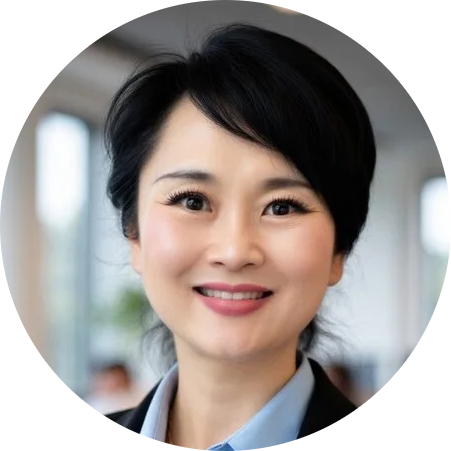
Dr. Eurina Y. Cha is the inaugural and only holder of the $1.7 million endowed Directorship of the Patricia A. Chin School of Nursing at California State University, Los Angeles. An internationally recognized nurse educator and academic leader, she specializes in nursing education innovation, workforce development, artificial intelligence in nursing education, global partnerships, and competency-based curriculum design. Dr. Cha has led numerous international collaborations to strengthen nursing education and workforce capacity. She is a two-time recipient of the National League for Nursing (NLN) Scholarship Awards, recognizing her excellence in nursing education and leadership.